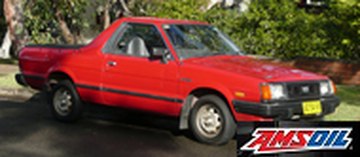
Lubrication Maintenance for the 1982 Subaru BRAT 1.8L
Maintaining the mechanical integrity of a vehicle like the 1982 Subaru BRAT requires a consistent approach to fluid management and component inspection. With the EA81 engine, providing proper lubrication is a fundamental aspect of routine service that helps ensure the engine operates as intended over time. Because this vehicle is an older model, maintenance strategies often shift from simple part replacement to a more observant, condition-based approach.
Monitoring Engine Fluid Integrity
A primary task for any owner is the regular observation of fluid levels and the physical condition of the lubricant. Rather than relying solely on scheduled intervals, checking the engine oil frequently can provide early indications of how the engine is performing. When inspecting the oil, look for changes in color or texture that might suggest contamination or excessive thermal breakdown.
If you notice any unusual odors or visible signs of fluid escaping from the engine area, these should be investigated promptly. While a small amount of seepage can occur as gaskets and seals age, significant leaks warrant closer inspection to prevent unexpected oil loss. It is also useful to monitor for any changes in how much oil the engine seems to consume between service intervals. Any sudden increase in consumption may indicate that internal components or seals require attention.
Observing Potential Warning Signs
Identifying issues early can prevent more extensive mechanical complications. While many engine concerns manifest through various symptoms, certain signs should never be ignored. For instance, if you notice unusual mechanical noises during operation, this could be associated with changes in the lubrication environment or other internal factors. Similarly, any unexpected exhaust smoke may indicate that oil is entering the combustion process, which warrants a professional diagnostic check.
It is important to remember that symptoms can have multiple causes. A change in engine sound or a new odor does not automatically point to one specific failed component; instead, these signs serve as indicators that the vehicle's current operating state has changed. Maintaining a habit of noticing these subtle shifts allows for more proactive and cost-effective maintenance decisions.
Condition-Based Inspection Priorities
As vehicles age, the focus of maintenance often moves toward inspecting materials that are susceptible to environmental and thermal stress. For the 1982 Subaru BRAT, this includes a general assessment of various engine-related components. If equipped, accessible drive belts should be checked for signs of deterioration such as cracking, glazing, or fraying. Similarly, if present, rubber hoses should be inspected for softness, swelling, or surface cracks that could lead to leaks.
Electrical connections and wiring harnesses also benefit from periodic visual checks. Ensuring that connectors are secure and free from corrosion helps maintain the integrity of the vehicle's electrical systems. Furthermore, inspecting the condition of the air filtration system is a vital part of engine care, as clean airflow is essential for efficient operation and helps prevent debris from entering sensitive areas.
Managing Long-Term Maintenance Records
For owners of an older vehicle, establishing a clear maintenance baseline is one of the most effective ways to manage long-term care. If you have recently acquired the vehicle and do not have access to its previous service history, your first priority should be to document all current findings. This includes noting the condition of fluids, the state of various belts and hoses, and any existing minor leaks.
Keeping a detailed log of completed repairs, fluid changes, and observed mechanical behaviors provides a roadmap for future service. This documentation makes it much easier to distinguish between a new issue and a long-standing characteristic of the engine. When maintenance history is incomplete, prioritizing the resolution of active leaks or addressing overdue service items helps stabilize the vehicle's condition and provides a reliable starting point for all subsequent care.
Effective Lubrication Strategies
The choice of lubricant plays a significant role in how an engine manages heat and friction. While modern formulations offer various technological advantages, the most important factor is selecting a product that aligns with the specific requirements of the EA81 engine. Some high-mileage oil formulations contain additives intended for use in aging engines, including seal-conditioning additives that may help maintain the flexibility of older gaskets.
When considering different types of oil, such as conventional, synthetic blends, or full synthetics, owners should focus on the quality and certification of the product. High-quality lubricants are designed to provide better thermal stability and oxidation resistance, which helps prevent the buildup of sludge and deposits within the engine. Regardless of the formulation chosen, ensuring the lubricant meets the appropriate API service standards is a critical step in protecting the engine's internal surfaces.
Practical Advice for Buying Engine Oil for your 1982 Subaru BRAT 1.8L
When you are ready to purchase new lubricant, do not rely on general automotive knowledge or assumptions based on the vehicle's age to determine the correct grade. Instead, match the engine oil to the application-specific viscosity information already displayed on this webpage. Before completing your purchase, always verify that the product labeling matches the requirements listed in the technical specifications for your specific 1.8L EA81 engine.
Check the container for the appropriate API certification to ensure the oil meets modern quality standards. If you are looking for specialized options, such as high-mileage formulations, ensure they are compatible with your current maintenance goals. By strictly following the viscosity and application data provided in the vehicle information section above, you can ensure that you are providing the correct level of protection for your engine.